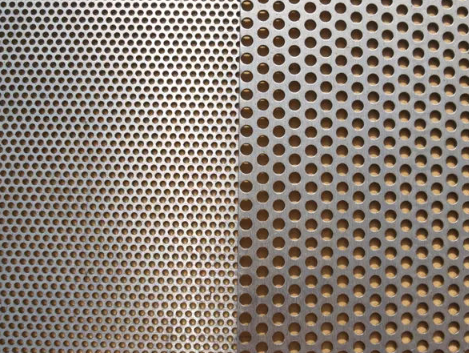
Some materials are known for his or her particular characteristics within the fields of manufacturing and constructing. The aluminium tread plate and SS 316 perforated sheets are among those that might now be essential for many uses. These substances do not simplest look proper, but they’re also quite sturdy and last for a long time, making them best for lots business and commercial usage. This web page is going into detail on the pros and cons of these materials, as well as why they’re so famous in diverse fields.
What Makes Aluminium Tread Plate Different?
Aluminum tread plate is a common fabric given that it is sturdy, mild, and has a floor that does not slip. Its surface has a raised pattern that makes it easier to grip, which is why it’s also called diamond plate or checker plate. It’s great for places with a lot of foot traffic or where you need extra traction.
- Lightweight yet Strong: Aluminum tread plates are much lighter than steel, but they are still very strong and long-lasting.
- Aluminum is naturally resistant to corrosion, which is important in places where moisture or chemicals are common.
- Aluminum tread plates are utilized in a lot of different ways, like on floors, stairs, and platforms. They are employed in a lot of different industries, from cars to construction.
The tread pattern is very useful in places where safety is very important. It’s also a design decision, and it’s widely employed in both residential and commercial places, both indoors and outside.
Why you should use SS 316 perforated sheets
Stainless steel is used to make SS 316 perforated sheets. This metal is strong and doesn’t rust. SS 316 is well-known for being more resistant to corrosion than other types of stainless steel. This makes it perfect for use in severe situations like maritime or chemical processing industries. People typically utilize perforated sheets created from this material for decoration, filtration systems, and architectural aspects.
- Corrosion Resistance: SS 316 is quite resistant to chloride corrosion; therefore, it’s a great choice for sectors that deal with saltwater or chemicals.
- Strength and Durability: Stainless steel, especially SS 316, is known for being quite strong; therefore, the perforated sheets can handle a lot of pressure without losing their shape.
- Customizable Designs: You may get perforated sheets with a number of hole patterns, which makes them great for custom applications that need to look well and work well.
SS 316 perforated sheets can also be used in soundproofing, air filtration, and ventilation systems, where both durability and performance are important.
Uses for SS 316 perforated sheets and aluminum tread plates
Many industries utilize aluminum tread plates and SS 316 perforated sheets for loads. Because of their unique qualities, they may be used for a wide range of purposes, from business makes use of to creative layout answers.
- Aluminum tread plates are frequently used as flooring, especially in vehicles, industries, and places with a lot of foot activity.
- Architectural Use: SS 316 perforated sheets are used to construct walls, dividers, and privacy monitors.
Functional Components: Grilles, panels, and limitations that want to stand up to harsh situations are usually made from both materials.
The main benefits of using these materials
Aluminum tread plate and SS 316 perforated sheets have a lot of good things about them. Here are some of the most important reasons why businesses choose these materials:
- Cost-Effective: Both materials are rather affordable because they last a long time and don’t wear out easily.
- Easy to maintain: These materials are easy to keep up with because they don’t rust, which means they will last a long time without needing too much work.
Both aluminum and stainless steel can be recycled, so they are good choices for projects that care about the environment.
Conclusion
Aluminum tread plates and SS 316 perforated sheets are great materials for many uses since they are strong, flexible, and look good. These materials are used in building, automobile, and architecture without sacrificing quality. Both aluminum tread plates and SS 316 perforated sheets are good choices for people who want materials that will last. Visit Dinco.ae to learn more about these goods and how they may make your next project even better.
FAQs
- What are the main differences between aluminium tread plates and SS 316 perforated sheets?
Aluminium tread plates are lightweight and designed for slip resistance, whereas SS 316 perforated sheets are stainless steel with superior corrosion resistance, typically used for filtration and architectural purposes.
2. Can aluminium tread plates be used outdoors?
Yes, aluminium tread plates are highly resistant to corrosion, making them an excellent option for outdoor use in environments exposed to moisture or chemicals.
3. What industries benefit from using SS 316 perforated sheets?
SS 316 perforated sheets are widely used in industries such as marine, chemical processing, automotive, and construction due to their high corrosion resistance and strength.
4. Are these materials customizable?
Both aluminium tread plates and SS 316 perforated sheets are available in various designs, thicknesses, and finishes to suit different needs and applications.
5. How do I maintain these materials for long-term use?
Regular cleaning with a mild detergent and periodic checks for any damage or wear are sufficient to maintain the durability and appearance of these materials.