Choosing Epoxy Flooring Bay Area options should begin with the property, not with a generic coating package. Garages, workshops, warehouses, and commercial spaces across the region can face different combinations of vehicle traffic, sunlight, moisture, chemicals, and cleaning. A system that works well in one environment may be a poor fit in another if those conditions are ignored.
Concrete also varies from slab to slab. Age, previous coatings, cracks, porosity, repairs, and contamination can all influence preparation and material selection before the first resin layer is applied.
Start With the Real Workload
The most useful first step is listing what the floor experiences during a normal week. Residential garages may deal with hot tires, road grit, storage, and occasional automotive fluids, while commercial areas may add carts, machinery, cleaning chemicals, or repeated impact.
A properly specified Epoxy Floor Coating should therefore be chosen around the dominant risks rather than appearance alone. Traffic type, spill exposure, cleaning frequency, and whether the area receives direct sunlight can all affect the preferred build and protective topcoat.
Inspect the Slab Before Pricing the Finish
Cracks, pitting, old paint, sealers, adhesive residue, and oil contamination should be identified before a final system is quoted. These conditions can add preparation and repair work that photographs do not always reveal.
Mechanical grinding is commonly used to remove weak material and create a suitable surface profile. Once the slab is open, cracks and damaged areas can be assessed more accurately.
A good proposal should explain what preparation is included instead of treating it as an invisible extra.
Consider Sunlight Near Doors and Windows
Bay Area properties can have strong sunlight reaching part of the floor through open garage doors, storefront glazing, or loading entrances. UV exposure should be discussed before the system is finalized.
Standard epoxy can discolor when exposed to prolonged sunlight. A compatible UV-stable topcoat, such as certain polyaspartic products, may be used where color stability matters.
The system should be designed as a sequence of compatible layers rather than selected by one product name.
Treat Moisture as a Separate Question
A slab can look dry and still have moisture conditions that affect coating performance. If the building history, location, or visible signs raise concern, suitable testing may be necessary before the coating system is selected.
Moisture-control primers can be useful in some situations, but they are not a substitute for fixing active leaks, drainage problems, or water intrusion.
This distinction helps prevent a flooring product from being expected to solve a building problem.
Choose Texture for the Environment
A smooth glossy floor can look clean and modern, but wet or spill-prone areas may need additional traction. Garages, service areas, and some commercial spaces can all benefit from a carefully selected texture.
More texture is not automatically better. A very aggressive surface may hold more dirt and require more cleaning effort.
The right balance depends on footwear, contaminants, cleaning equipment, and how often the floor becomes wet.
Think About Flake and Solid Finishes Differently
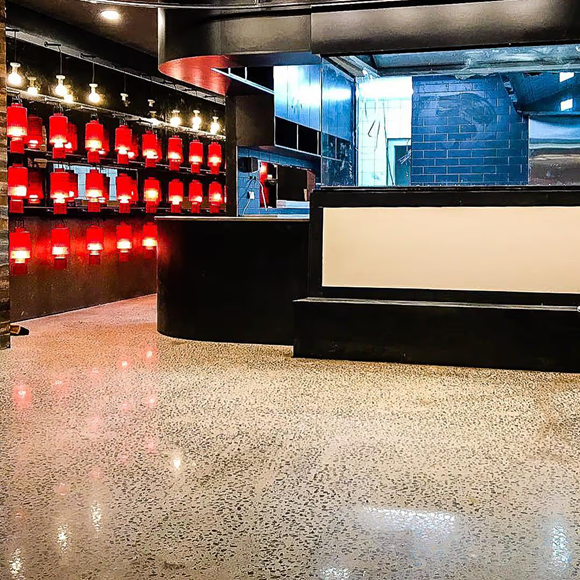
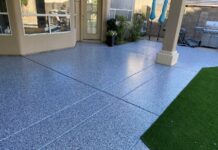
Decorative flakes can add visual variation and help disguise ordinary dust or small marks. They can also contribute texture when broadcast into the coating system.
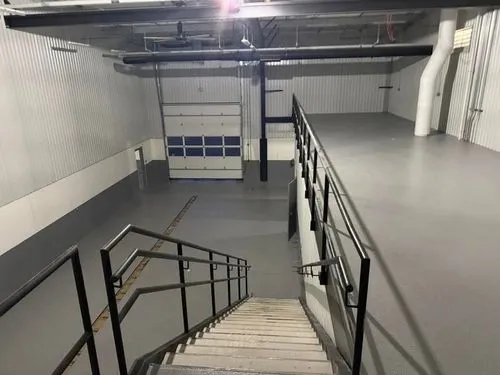
Solid-color floors provide a more uniform appearance and may suit workshops, utility areas, or commercial spaces where simplicity matters.
The choice should reflect both design and maintenance. A finish that looks impressive in a sample but conflicts with the space’s cleaning routine can become frustrating over time.
Plan the Project Around Downtime
Preparation, repairs, coating application, curing, and return-to-service all require time. Residential clients may need temporary parking, while commercial facilities may need to move stock, equipment, or workstations.
Some projects can be phased, but transitions and safe access need to be planned carefully. A coating may feel dry before it is ready for vehicles or heavy equipment.
Project-specific cure guidance should therefore control the schedule.
Keep Maintenance Practical
Routine sweeping or vacuuming helps remove grit before it becomes abrasive under tires or shoes. Spills should be cleaned promptly with products compatible with the installed topcoat.
Property owners should also ask how isolated damage can be repaired later. Knowing the maintenance and repair plan before installation makes long-term ownership easier.
Conclusion
A successful concrete coating project begins with the conditions of the site rather than a standard package. Slab quality, traffic, moisture, sunlight, texture, design, and downtime all influence which system makes sense.
By matching preparation and coating layers to the way the space actually operates, property owners can create a floor that is easier to maintain and better suited to everyday demands. The strongest result is one built around the slab and the environment, not around a one-size-fits-all specification.